Ancestral Practice · The Conjure Compass Institute
The First Offering
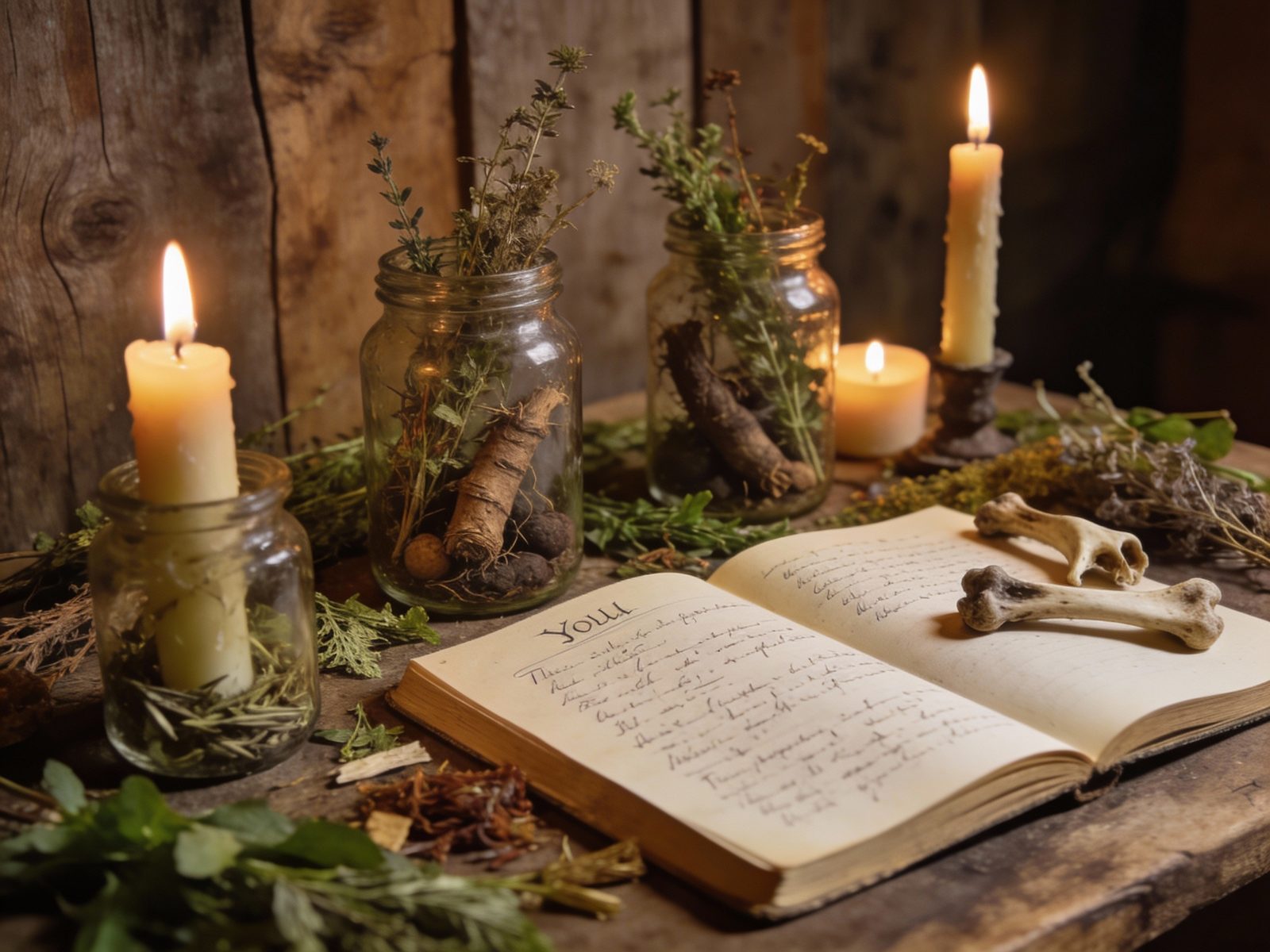
If you ask ten different Southern families how to begin honoring their ancestors, you will get ten different answers. Some keep a Bible open to the family record. Some light a candle on birthdays. Some carry flowers to the cemetery every spring. Others simply talk to their people while washing dishes or sitting on the porch at sunset.
There is no single doorway into ancestral practice. But there is one thing the old folks agreed on, however they said it: relationships begin with respect, not requests.
Manners
That is the biggest misunderstanding people have today. They want to build an ancestor altar because they need something. They have read a book, watched a video, or heard someone say their ancestors can bring money, protection, or guidance.
Those things may come in time. But if your first conversation with your grandparents is a list of what you want, you have skipped over the relationship entirely.
My grandmother would have called that poor manners.
Where I come from in Alabama, you did not walk into somebody's house asking for favors before you spoke. You greeted people. You sat down if they offered you a seat. You asked about their family. Maybe you shared a meal before business was ever mentioned.
That same courtesy belongs in ancestral work. Your people were human beings before they became ancestors. They deserve to be remembered as people, not treated like a spiritual customer service department.
Beginning
So where do you begin?
You begin simply.
A clean table or shelf is enough. It does not have to be expensive. It does not have to look like something you found on social media. Put down a clean white cloth if you have one. Add a glass of fresh water. If you have photographs, place them there. If you do not, write their names on a piece of paper.
A family Bible, an old recipe card in your grandmother's handwriting, a military photograph, a wedding portrait, a quilt square. Any of these can become a reminder of the lives that made yours possible.
In many African American traditions, a fresh glass of water is less about feeding spirits than about welcoming presence and keeping remembrance alive. It asks very little of you except consistency. Refresh it often. Do not let it become an afterthought.
Speaking
When you stand before your ancestors for the first time, resist the temptation to perform.
You do not need long speeches. You do not need to sound poetic. You do not need to pretend certainty when you feel none. Speak the way you would if you were standing at your grandmother's kitchen sink, talking while she dried the dishes.
Tell them who you are. Tell them why you came. Thank them for the lives that brought yours into being.
If you know their names, speak them slowly. If you only know Grandma, Big Mama, or Papa, begin there. A remembered name carries weight because it refuses to let a life disappear.
Silence
Then, after you have spoken, be quiet.
That may be the hardest part.
Relationships grow in listening as much as in speaking. You may not feel anything extraordinary. You may not receive signs, dreams, or sudden revelations. That is all right.
The first offering is not about proving something happened. It is about keeping your word. If you said you would return tomorrow with fresh water, return tomorrow. If you promised to remember them, remember them. Faithfulness is built one small act at a time.
This is also why you should not promise more than you can keep. Do not commit to a daily practice if your life will not hold one. A weekly glass of water, given faithfully for years, is worth more than a shrine you tend for a month and abandon.
Time
Over the years, your altar may grow. You may learn more family stories. Cousins may uncover photographs. An elder may tell you the name of someone you never knew existed.
Let those discoveries arrive on their own. Do not rush to fill every empty space. Attention does the work that urgency cannot.
The first offering is never really the water, the candle, or the flowers. Those are ways of saying something much older.
I remember you.
In a world that forgets people so quickly, remembrance is the holiest offering we make.
Reflections